
Emotional Intelligence by Daniel Goleman: Understanding the Power of Emotions
Understanding emotional intelligence is a powerful tool in improving your life and relationships. By reading this book, you’ll not only gain insights into your emotional behavior but also enhance your communication skills and overall well-being. Click the button below to start your journey to mastering emotional intelligence.
About the Book
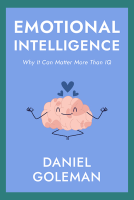 Title: Emotional Intelligence
Author: Daniel Goleman
Genre: Psychology, Personal Growth, Self-Help
Year of Publication: 1995
Pages: 358
Summary: What the Book Is About
In “Emotional Intelligence,” Daniel Goleman explores how emotional awareness and management play a crucial role in our personal and professional lives. He argues that intelligence is not just about cognitive skills but also about how we manage emotions and relate to others. This book introduces the concept of emotional intelligence (EQ), focusing on its components like self-awareness, self-regulation, motivation, empathy, and social skills. Goleman emphasizes that these abilities can be developed over time and are just as important, if not more, than IQ in achieving success.
Quote from the Book:
“Emotions are the source of energy for the brain, and by understanding them, we can use them to our advantage in both personal and professional situations.”
English Level
“Emotional Intelligence” is written in a clear and accessible style, making it suitable for learners with a medium to advanced understanding of English. The book contains some technical terms related to psychology and personal development, but they are explained clearly throughout the text.
-
CEFR Level: B2 (Upper Intermediate) to C1 (Advanced)
-
Recommended for learners preparing for IELTS 6.5+
Why This Book Helps English Learners
Reading “Emotional Intelligence” offers several benefits for English learners, especially for those who wish to improve their communication and comprehension in personal and professional settings. Here’s how this book will help:
-
Reading: Improves your ability to read and understand complex ideas related to psychology and human emotions.
-
Vocabulary: Expands your vocabulary with terms related to emotional intelligence and psychology.
-
Idioms and Phrases: Introduces various idiomatic expressions and phrases related to human emotions and behavior.
-
Grammar in Context: Exposes learners to advanced sentence structures and grammar used in psychological discussions.
Unique Words in the Book:
-
Estimated Unique Words: 1,500–2,000 (terms related to psychology, emotions, and human behavior)
User Reviews
⭐⭐⭐⭐⭐ “A groundbreaking book that helped me understand why emotions matter so much in life. Highly recommended for anyone looking to improve their social skills and emotional awareness!”
⭐⭐⭐⭐ “This book is packed with useful information, but some sections could be more concise. Overall, it offers excellent insights into the psychology of emotions.”
⭐⭐⭐⭐⭐ “Goleman’s book opened my eyes to the power of emotions in our daily interactions. It’s a must-read for anyone interested in self-improvement.”
Average Rating: 4.7 / 5
Did You Know?
Here are three interesting facts about “Emotional Intelligence”:
-
Groundbreaking Concept: The book was one of the first to introduce the idea that emotional intelligence (EQ) is just as important as traditional intelligence (IQ) in achieving success.
-
Global Influence: Goleman’s ideas have influenced not just psychology but also education, leadership, and workplace environments, encouraging a broader acceptance of emotional intelligence in professional settings.
-
Years of Research: The author based his work on years of scientific research into how emotions affect human behavior and decision-making, making the book a highly credible resource on the topic.
Similar Books You Might Enjoy
If you found “Emotional Intelligence” insightful, you might also enjoy these books that delve into similar topics of psychology and self-awareness:
-
“The 7 Habits of Highly Effective People” by Stephen R. Covey
-
Focuses on personal development and effectiveness in both personal and professional life, with an emphasis on emotional intelligence and relationship-building.
-
-
“Quiet: The Power of Introverts in a World That Can’t Stop Talking” by Susan Cain
-
Explores how introversion affects emotional intelligence and success in social and professional environments.
-
-
“The Emotional Life of Your Brain” by Richard J. Davidson and Sharon Begley
-
Offers a deeper understanding of how emotions are processed in the brain and their impact on mental health and behavior.
-
❓ FAQ
What is “Emotional Intelligence” by Daniel Goleman about?
The book explores the importance of emotional intelligence (EQ) and its influence on our personal and professional success. It discusses how understanding and managing emotions can improve relationships and decision-making.
Is “Emotional Intelligence” suitable for beginners in psychology?
Yes, the book is written in an accessible style and does not require a deep background in psychology, making it ideal for beginners who are interested in the topic.
How can emotional intelligence be developed?
Emotional intelligence can be developed through self-awareness, practicing empathy, and learning how to manage emotions in various situations. Goleman provides practical advice and strategies throughout the book.
Why is emotional intelligence important?
Emotional intelligence is important because it helps us navigate social interactions, make better decisions, and manage stress. It also plays a key role in building successful relationships and achieving personal and professional goals.
What are the key components of emotional intelligence?
The key components of emotional intelligence are self-awareness, self-regulation, motivation, empathy, and social skills. These elements are crucial for understanding and managing emotions effectively.